
Where I have been
Twenty-four countries, honestly counted, airports not included.
The weight sits in South and Central America: Colombia, Peru, Bolivia, Argentina, Uruguay, Costa Rica, Panama. Then the Gulf, Qatar and the Emirates, which matters more as a stopover on long-haul routes than most people expect, and where the quality of the houses varies enormously. And southern Europe, Portugal, Spain, Italy and Greece, which still has the most practical selection in the world for a short trip for two.
What is not on the map: the Caribbean, the Maldives, Asia beyond the Gulf, Africa. I have not been, and I do not pretend otherwise.
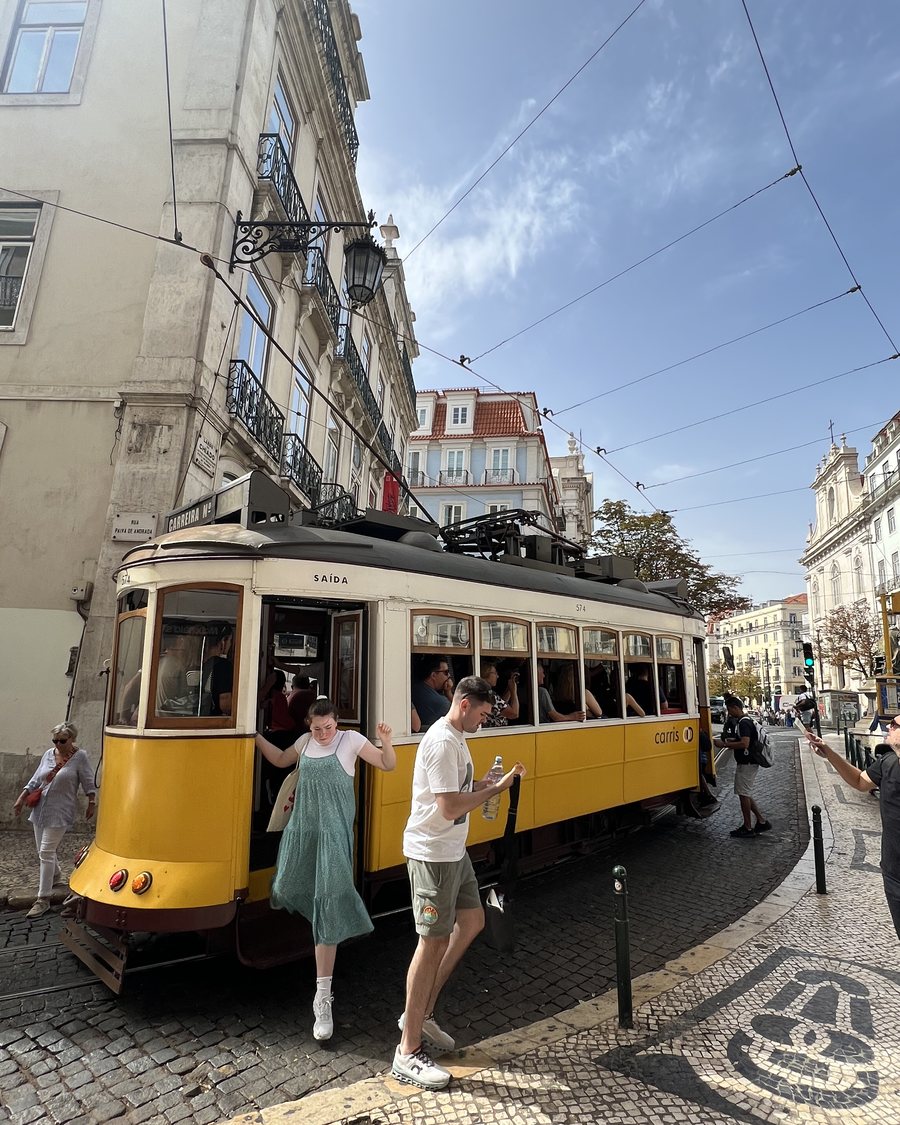
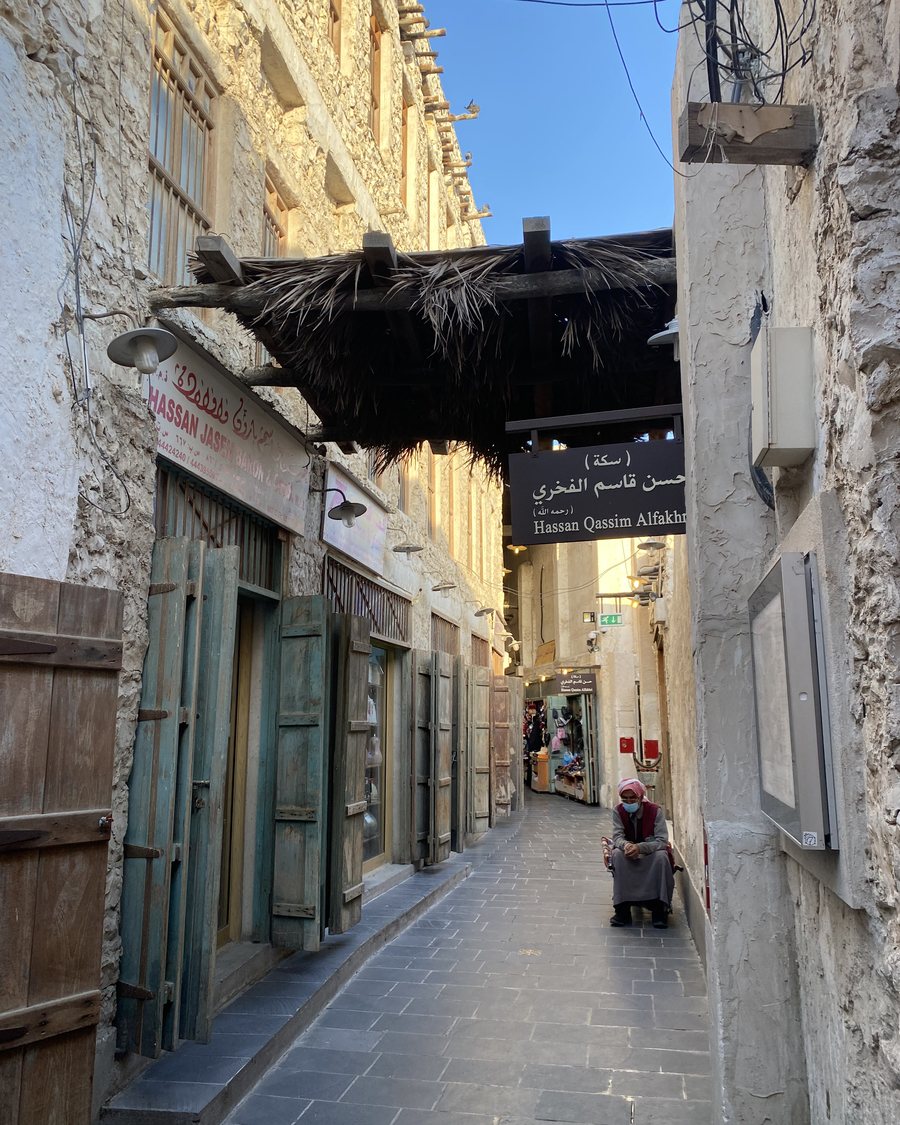
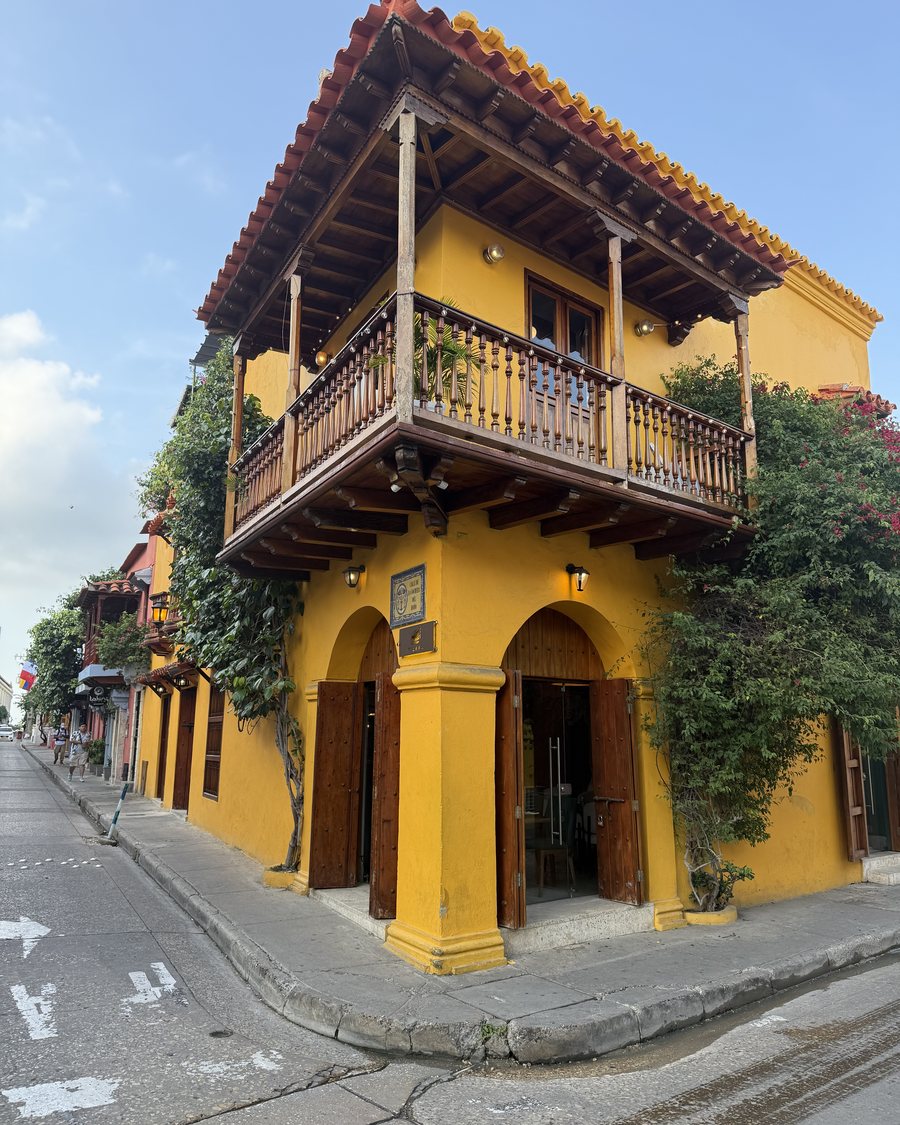
My own photographs.
Why I read hotels differently
I read International Hospitality Management at EHL, then worked in the management trainee programme at the Park Hyatt Zurich before moving to FELFEL as a junior sales manager.
Once you have worked inside a five-star house, you see something other than the pictures. You see how many people are on the desk and how long they have been there. You can tell from the wording of a room category whether it has been refurbished. You know which questions a hotel answers in writing and which ones it dodges, and what that dodge means.
None of this is secret knowledge. It is simply what you pick up from having stood on the other side of the desk.
What local knowledge does and does not do
A fair objection: how can someone plan a trip to a place he has not been?
My answer is less comfortable than you might expect. Having been there yourself helps with exactly two things: distances and travel times, and a feel for a place. Both count, and I tell you openly when I am missing them.
It does not help you judge a house. Someone who spent a week at a resort knows one room out of two hundred, one season out of four, and one service team in one particular shape. Someone who knows how a hotel operation works asks the questions whose answers hold for any house instead: how old is the category you are booking, which rooms face the road, what is in the price and what is charged on arrival, how quickly and how precisely the hotel answers a specific question.
That is why I can plan you a trip to somewhere I have not been, and would still tell you when I am not the right person for a destination.
How I work
I remove rather than add. The aim is not to show you more hotels, it is to take the wrong ones away. What is left at the end is three to five, not thirty.
Every recommendation carries a counter-argument. There is no house without a drawback. If a recommendation names none, someone has not done the work or has something to sell.
I say when something does not work. If the budget does not stretch to the trip, if the season is wrong, if you do not need an advisor for this destination: you hear that in the first reply, not after the invoice.